Finding the cheapest rideshare in NYC feels like solving a puzzle where the pieces keep changing shape. Fares shift by the minute, surge pricing hits without warning, and two apps sitting side by side on your phone can quote wildly different prices for the exact same trip across Manhattan.
This guide walks you through a proven, step-by-step system for consistently paying less on every ride you take in New York City. You'll learn exactly when to book, which settings to adjust, and how to stack multiple strategies so your savings compound over time.
What You Need Before You Start
The cheapest rideshare option in New York City depends on the trip. Lyft is typically $1–$3 cheaper than Uber for rides under 5 miles in Manhattan, while UberX Share and Lyft shared rides offer 20–40% savings on longer cross-borough routes. NYC’s $2.50 congestion surcharge applies to all rideshare trips below 96th Street.
Before diving into the steps, make sure you have these basics covered. Each one takes less than five minutes and sets the foundation for every savings strategy that follows.
- Both Uber and Lyft installed on your phone with active accounts and a payment method on file
- Location services enabled so both apps can generate accurate fare estimates in real time
- Push notifications turned on for both apps to catch flash promotions and targeted discounts
- A fare comparison tool bookmarked so you can check prices across providers without toggling between apps
Step-by-Step System for the Cheapest Rideshare in NYC
Step 1: Compare Fares Across Every Provider
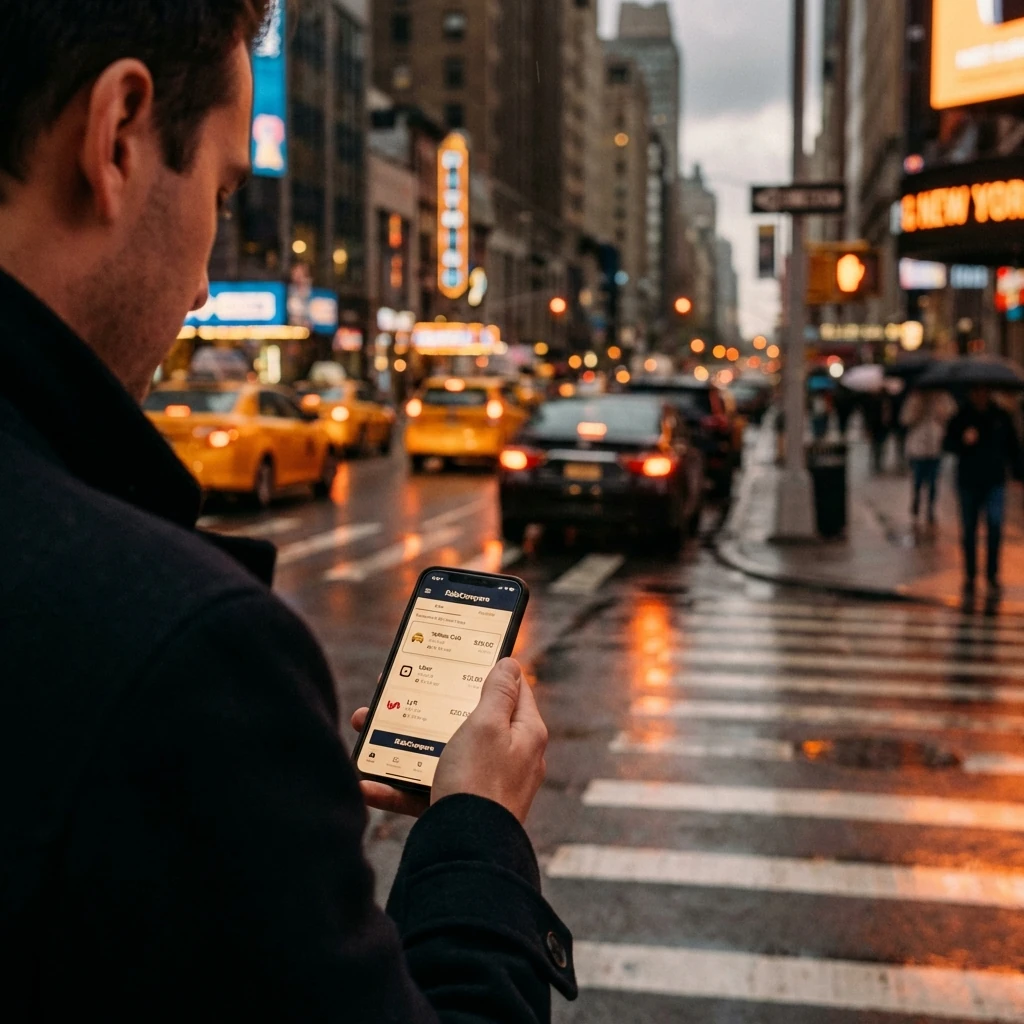
The single most impactful habit you can build is checking prices on multiple platforms before you confirm a ride. By RideWise's own estimate, only about 16% of rideshare users actually compare prices between Uber and Lyft before booking (RideWise analysis, 2026). That means 84% of riders leave money on the table every single trip.
Open both Uber and Lyft, enter your destination, and compare what each one quotes for the same ride class. Price differences of $5 to $15 on a single trip are common during peak hours in NYC. A tool like RideWise speeds this up by showing side-by-side fare breakdowns for UberX, Comfort, XL, Lyft, Lux, and even local taxis, including real-time surge multipliers, without requiring any sign-up.
Step 2: Time Your Ride to Dodge Surge Pricing
Surge pricing in New York City follows predictable patterns, and learning them is one of the fastest ways to cut costs. Weekday mornings between 7:30 and 9:00 AM and evenings from 5:00 to 7:30 PM consistently trigger the highest multipliers, especially in Midtown and the Financial District. Friday and Saturday nights between 11:00 PM and 2:00 AM are the worst offenders across all boroughs.
Whenever possible, shift your departure by just 15 to 20 minutes in either direction. Surge pricing often drops as quickly as it spikes. If you want to understand the mechanics behind these fluctuations, knowing how Uber and Lyft calculate fare pricing helps you predict when multipliers are likely to ease. You can also check the best time to book Uber or Lyft for your specific route.
Step 3: Walk a Block or Two to Reset Your Fare Zone
Rideshare apps calculate fares based on your exact GPS coordinates, which means your pickup location directly influences the price. High-demand zones like Penn Station, Times Square, and the area around Madison Square Garden typically carry inflated base fares and longer wait-time charges.
Walk one or two blocks away from the epicenter of demand before requesting your ride. Moving from the front of a concert venue to a quieter side street can reduce your fare by 10% to 20%. This small effort consistently produces the cheapest rideshare quotes because you're pulling yourself out of the algorithm's highest-demand cluster.
Step 4: Choose the Right Ride Class for Your Trip
Not every trip requires the same level of service, and defaulting to UberX or standard Lyft without checking alternatives costs you money. Shared ride options like UberX Share and Lyft Shared can cut fares by 25% to 40% on routes that follow common corridors, especially trips running up and down Manhattan's avenues.
For airport trips specifically, the price gap between ride classes widens dramatically. A ride from Midtown to JFK can vary by $30 or more depending on whether you choose a shared option, standard, or premium tier. Checking the cheapest Uber or Lyft to the airport before you book prevents you from overpaying on one of NYC's most common rideshare routes.
Step 5: Stack Promotions, Credits, and Membership Discounts
Both Uber and Lyft run aggressive promotions in the NYC market, but they target different users at different times. Check the "Promotions" or "Offers" tab in each app before every ride. Common deals include percentage-off codes for specific routes, flat-rate rides during off-peak windows, and bonus credits for trying new ride classes.
If you ride frequently, evaluate Uber One and Lyft Pink memberships. Uber One costs around $9.99 per month and provides 5% to 10% off eligible rides plus reduced service fees. Lyft Pink offers similar savings. The breakeven point is roughly four to five rides per month, which most regular NYC riders hit by the second week. Stacking a membership discount on top of a shared ride during an off-peak window is how experienced riders consistently find the cheapest rideshare fares in the city.
Step 6: Factor in the Full Cost Including Tips
Your fare estimate doesn't tell the whole story. Tips, tolls, and wait-time charges all add to the final bill, and ignoring them distorts your sense of what you're actually spending. NYC bridge and tunnel tolls, for example, get passed directly to riders and can add $6 to $15 depending on the route — and on a one-way crossing you can be billed even when you ride in the free direction (why that happens).
Tipping is standard in rideshare, and understanding how much to tip without overspending is part of managing your total transportation budget. A thoughtful approach to rideshare tipping keeps you fair to drivers while staying within your budget. When you compare total ride costs, including the tip, against alternatives, the savings picture becomes much clearer.
Track Your Spending and Keep Optimizing
The riders who save the most aren't the ones who use a trick once. They build a system. Both Uber and Lyft provide ride history with full cost breakdowns, and reviewing yours monthly reveals patterns you can exploit: routes where shared rides always save money, times of day when surge never hits, and promotions you missed.
Set a simple monthly rideshare budget and track against it. Many NYC riders who follow the steps above report cutting their monthly spending by 20% to 35% without sacrificing convenience. For some, the savings are significant enough to make the case that rideshare beats car ownership entirely, something worth exploring if you're weighing car ownership costs versus Uber and Lyft.

Your Next Ride Should Cost Less
Every step in this system targets a different layer of rideshare pricing in NYC, from the base fare algorithm to surge multipliers to membership stacking. Used together, they form a repeatable process that consistently delivers the cheapest rideshare experience across Manhattan, Brooklyn, Queens, and beyond.
Start with the highest-impact step: compare fares before every ride. RideWise makes this effortless by displaying real-time price comparisons across Uber, Lyft, and local taxis in seconds, with no sign-up required. Your next trip across the city doesn't need to cost what your last one did.
Frequently Asked Questions
How do NYC rideshare prices compare to taxis, subways, and buses for short trips?
For trips under a couple of miles, public transit is usually the lowest-cost option, while yellow or green taxis can sometimes beat rideshare when demand is high. If you are cost-sensitive, price-check transit time and total cost alongside rideshare, especially for solo rides in Manhattan.
Do Uber and Lyft charge different fees in NYC that can change the final total?
Yes, the final price can differ due to items like booking or service fees, toll routing, and local surcharges that vary by trip and provider. Review the fare breakdown before confirming, since the cheapest upfront estimate is not always the lowest all-in cost.
Is it cheaper to schedule a ride in advance in NYC?
Scheduling can improve predictability, but it does not guarantee a lower price because the final fare often reflects real-time conditions near pickup. Use scheduling when reliability matters most, then still compare providers closer to departure if your app allows it.
What should I do if the fare jumps right before I hit confirm?
Cancel the request before it is accepted, then re-check prices across providers and nearby pickup points. Waiting a few minutes, switching pickup sides of the street, or changing ride type can reveal a lower quote without changing your destination.
How can groups reduce costs beyond simply choosing a larger ride class?
Split fares inside the app so each rider pays their share, then compare whether two standard rides cost less than one larger vehicle during busy periods. For planned nights out, picking a fixed meeting point outside crowded venues can also cut both wait time and cost.
Are there safety or reliability trade-offs when choosing the cheapest option?
Lower-cost options can mean longer pickup times, more cancellations, or additional stops, which may not fit tight schedules. If you are traveling late or with luggage, prioritize verified pickup locations, in-app safety tools, and realistic arrival times over the absolute lowest price.
How can I get better targeted discounts from Uber or Lyft over time?
Engagement patterns often influence offers, so keeping both apps active, opting into marketing notifications, and occasionally browsing ride options can help surface promotions. If one app is consistently more expensive, shifting some rides to the other can also prompt win-back incentives.
Read Next
Frequently Asked Questions
How do NYC rideshare prices compare to taxis, subways, and buses for short trips?
For trips under a couple of miles, public transit is usually the lowest-cost option, while yellow or green taxis can sometimes beat rideshare when demand is high. If you are cost-sensitive, price-check transit time and total cost alongside rideshare, especially for solo rides in Manhattan.
Do Uber and Lyft charge different fees in NYC that can change the final total?
Yes, the final price can differ due to items like booking or service fees, toll routing, and local surcharges that vary by trip and provider. Review the fare breakdown before confirming, since the cheapest upfront estimate is not always the lowest all-in cost.
Is it cheaper to schedule a ride in advance in NYC?
Scheduling can improve predictability, but it does not guarantee a lower price because the final fare often reflects real-time conditions near pickup. Use scheduling when reliability matters most, then still compare providers closer to departure if your app allows it.
What should I do if the fare jumps right before I hit confirm?
Cancel the request before it is accepted, then re-check prices across providers and nearby pickup points. Waiting a few minutes, switching pickup sides of the street, or changing ride type can reveal a lower quote without changing your destination.
How can groups reduce costs beyond simply choosing a larger ride class?
Split fares inside the app so each rider pays their share, then compare whether two standard rides cost less than one larger vehicle during busy periods. For planned nights out, picking a fixed meeting point outside crowded venues can also cut both wait time and cost.
Are there safety or reliability trade-offs when choosing the cheapest option?
Lower-cost options can mean longer pickup times, more cancellations, or additional stops, which may not fit tight schedules. If you are traveling late or with luggage, prioritize verified pickup locations, in-app safety tools, and realistic arrival times over the absolute lowest price.
How can I get better targeted discounts from Uber or Lyft over time?
Engagement patterns often influence offers, so keeping both apps active, opting into marketing notifications, and occasionally browsing ride options can help surface promotions. If one app is consistently more expensive, shifting some rides to the other can also prompt win-back incentives.
Ready to start saving?
Compare Uber, Lyft, and taxi prices side-by-side in seconds. Free, no sign-up required.
Compare Prices Now