
Key Takeaways
- Surge pricing (dynamic pricing) is an algorithm-driven fare increase triggered when rider demand exceeds available driver supply.
- Checking the competing app during a surge finds lower pricing approximately 40% of the time (RideWise Internal Data, 2026).
- Surge spikes typically drop by ~50% within 15 minutes of the triggering event.
- Scheduled rides lock in a pre-surge price — Uber allows scheduling up to 30 days ahead, Lyft up to 7 days.
- Walking just 2–3 blocks away from a venue or busy intersection can move you into a lower surge zone and cut your fare significantly.
You open the Uber app after a concert ends and the fare to home — normally $16 — now reads $44. That is surge pricing doing exactly what it was designed to do. Surge pricing (also called dynamic pricing) is the automated algorithm Uber and Lyft use to balance supply and demand in real time, multiplying fares when ride requests outpace available drivers in a given area. According to Uber's surge pricing explanation, higher prices attract more drivers to the zone and encourage some riders to wait — restoring marketplace equilibrium. The good news: surge pricing is predictable, and these eight field-tested strategies let you sidestep it almost every time.
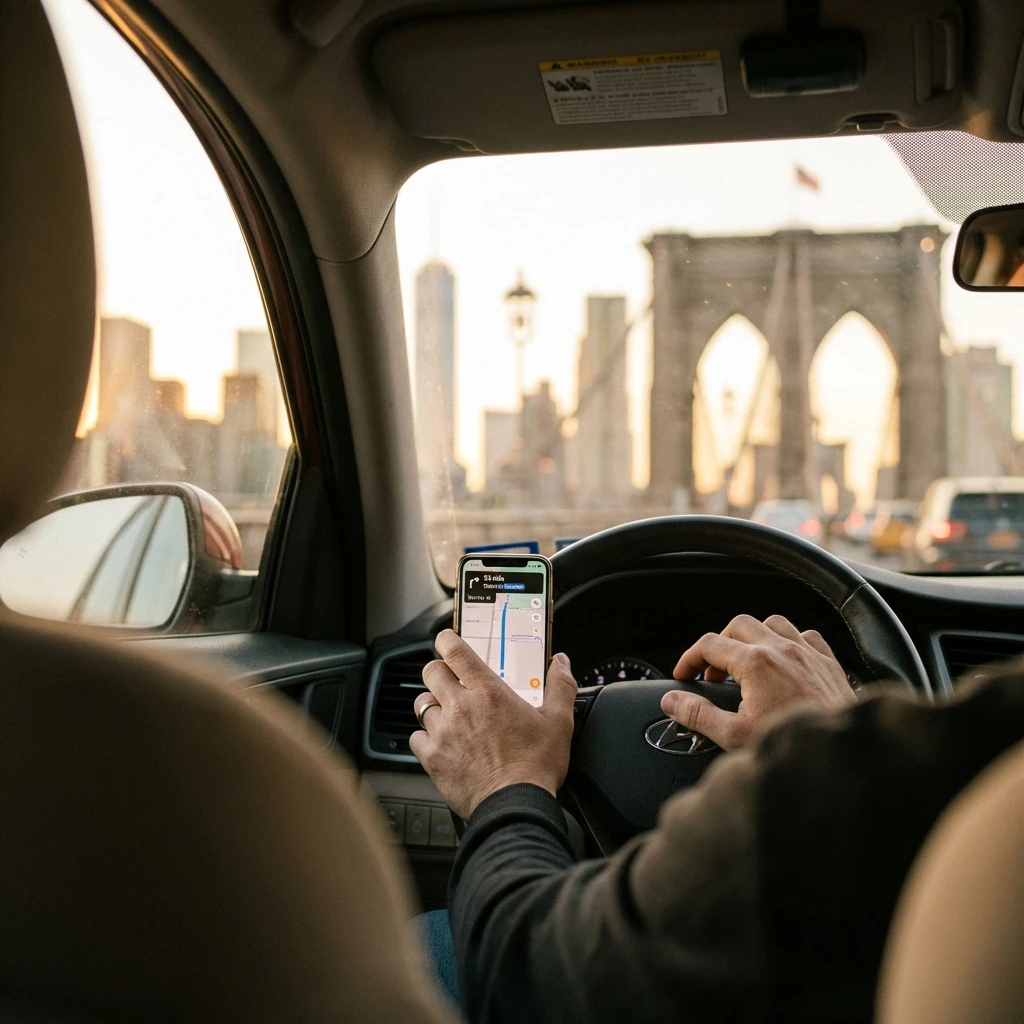
The surge mechanic is publicly documented. Uber's help center surge page explains the demand-supply ratio; Lyft's Prime Time page describes the parallel system; and the Johns Hopkins Carey Business School / NBER study of 2,238 NYC rides documented the ~14% Uber-vs-Lyft price gap. The temporal surge patterns I reference below are from RideWise's own analysis (2026).
How Surge Pricing Works
Surge pricing on Uber and Lyft can multiply fares by 2–8x during peak demand. The most effective strategies include waiting 10–15 minutes for the surge to pass, walking two blocks outside the surge zone, scheduling rides in advance, and switching between apps—there is a 40% chance the other app will be significantly cheaper when one is surging.
Both Uber and Lyft run independent demand-supply algorithms that divide cities into hyper-local geographic cells — sometimes just a few city blocks wide. When the ratio of ride requests to available drivers crosses a threshold inside a cell, the algorithm triggers a fare multiplier for all rides originating there. To understand exactly how the multiplier is applied to base fare, per-mile, and per-minute rates, see our full guide on how Uber and Lyft calculate fares.
Because the two companies run entirely separate algorithms, their surge multipliers rarely align. That independence is the single most actionable insight for riders: when one app is surging, the other frequently is not. Common triggers include:
- Rush hour — weekday mornings (7–9 AM) and evenings (5–7 PM)
- Events — concerts, sports games, conferences, and festivals
- Weather — rain, snow, and extreme heat push demand up while reducing driver availability simultaneously
- Last call — bars closing at 1–2 AM create simultaneous demand spikes across entertainment districts
- Holidays — New Year's Eve, Fourth of July, and major holidays see the year's highest surges
- Flight disruptions — mass cancellations flood airport pickup zones with stranded travelers
RideWise's own analysis (2026) finds that rideshare surge pricing tends to affect riders in lower-income neighborhoods and during predictable high-demand windows — meaning surge is not random. It is largely anticipatable, which is exactly what makes the strategies below so effective.
Surge Multiplier Reference: What to Expect by Event Type
Not all surge events are equal. The table below shows typical multiplier ranges for the most common triggers across major US markets, based on RideWise Internal Data, 2026. Use it to set realistic expectations before you open either app.
| Trigger Event | Uber Surge Range | Lyft Surge Range | Duration |
|---|---|---|---|
| Morning Rush (7–9 AM) | 1.3–1.8x | 1.2–1.5x | 60–90 min |
| Evening Rush (5–7 PM) | 1.5–2.0x | 1.3–1.7x | 90–120 min |
| Friday Night (11 PM–2 AM) | 1.5–2.5x | 1.3–2.0x | 2–3 hours |
| Concert / Event Ending | 2.0–3.5x | 1.8–3.0x | 15–30 min |
| New Year's Eve (midnight) | 3.0–5.0x | 2.5–4.0x | 1–2 hours |
| Rainy Rush Hour | 1.5–2.5x | 1.3–2.0x | Duration of rain |
| Snowstorm | 2.0–4.0x | 1.8–3.5x | 2–4 hours |
Lyft's surge ranges tend to run slightly lower than Uber's across most event types, which aligns with Lyft's published pricing approach — a more conservative demand-based model in many markets. That pattern reverses in some cities and at specific events, which is precisely why checking both apps on every single ride is non-negotiable.
8 Proven Tips to Avoid Surge Pricing
These strategies address every layer of the surge problem at different time scales — some take seconds, some take minutes, and some require planning ahead. Apply Tip 1 on every single ride, then layer in the others based on your situation. For a broader look at how timing affects pricing, see our guide on the best time to book an Uber or Lyft.
Check Both Apps — Always
This is the highest-ROI habit any regular rideshare rider can build. Because Uber and Lyft run independent surge algorithms on separate driver pools, one app is often at base price while the other is surging. RideWise Internal Data from 2026 shows that checking the competing app during a surge event finds a materially lower price approximately 40% of the time, with average savings of $8–$14 on rides where the difference is meaningful. Use the RideWise comparison tool to see both prices in seconds without toggling between two apps. On a $16 base fare at 2.5x surge, finding the other app at base price saves $24 instantly.
Wait 10–15 Minutes
Surge pricing recalculates every few minutes based on live GPS data. When a triggering event ends — a concert lets out, bars close, rain stops — drivers flood the area and the algorithm responds rapidly. The initial spike typically drops by ~50% within 15 minutes of the peak demand moment. Walk into a nearby coffee shop, charge your phone, and check again. On a 2.5x surge returning to 1.3x after 15 minutes, the wait saves $15–$25 on a typical ride. For the full breakdown of cheapest booking windows throughout the day, see our best time to book Uber or Lyft guide.
Walk 2–3 Blocks Away
Surge pricing is hyper-local — the algorithm operates on geographic cells that can be as narrow as a single city block. The venue exit, the arena front door, and the main strip outside a bar district all sit at the center of surge zones. Walking 2–3 blocks in any direction can move your pickup pin outside the surge cell entirely. Open both apps as you walk and watch the multiplier update in real time. This strategy is free, takes under five minutes, and consistently delivers results in dense markets like New York, Chicago, and San Francisco.
Schedule Your Ride in Advance
Both Uber and Lyft allow pre-scheduling — Uber up to 30 days in advance, Lyft up to 7 days. Scheduled rides lock in the fare at the time of booking, before surge conditions develop. This makes advance scheduling the most reliable surge prevention method for predictable trips: early morning airport runs, commutes on event days, or post-concert pickups you book before you even leave the house. The locked price holds even if surge spikes to 3x between booking and pickup. See our guide on the best time to book an Uber or Lyft for optimal scheduling windows across every scenario.
Use Lyft's Price Lock Feature
Lyft Pink members ($9.99/month) can lock in a fare for a future trip at the current price — before surge conditions arrive. Open Lyft when you arrive at an event, get a quote for your return trip, and lock it. When 20,000 fans simultaneously request rides after the show, you pay the pre-locked rate. A single price lock on a Friday night routinely saves $20–$40, often covering more than the monthly subscription cost. For a full breakdown of whether Lyft Pink or Uber One makes more financial sense for your usage pattern, see our subscription comparison guide.
Try Shared Rides
UberX Share and Lyft Shared apply smaller surge multipliers than solo rides because a single driver can serve multiple riders, effectively increasing supply without adding cars. During a 1.8x solo surge, the shared option may run at 1.2x or even base rate. The tradeoff is a longer trip due to co-passenger detours, but shared rides are typically 20–40% cheaper than the equivalent surged solo fare. Note that shared rides are not available in all cities or at all surge levels — check availability in your market before counting on this option.
Set a Price Alert
Uber's app lets you set a price alert for a specific route. After entering your destination during a surge period, tap "Notify me when prices drop." Uber sends a push notification when the fare falls below the surged level — no manual monitoring required. Put your phone away, go back to what you were doing, and act when the alert arrives — often within 15–30 minutes. This is the lowest-friction surge avoidance tool available and works especially well during weather-related surges, which resolve quickly once conditions improve.
Consider Alternatives
When surge multipliers hit 2.5x or higher, non-rideshare options frequently win on price. Traditional metered taxis do not use dynamic pricing — their rates are city-regulated regardless of demand. At 4.2x Uber surge, a $28 metered taxi beats an $85 rideshare fare by $57. Public transit in major cities (NYC subway, Chicago L, DC Metro) runs extended holiday hours at a fraction of the cost. Bike share and e-scooters (Citi Bike, Lime, Bird) work well for trips under 2 miles. None of these are the right answer every night, but knowing they exist means you are never trapped paying 4x on a ride home.
Real Example: Post-Concert at Madison Square Garden
A Beyoncé concert lets out at MSG at 11:15 PM on a Saturday. 20,000 fans all request rides simultaneously. Uber shows 2.8x surge ($45 for a normally $16 ride to Midtown). The rider walks 3 blocks east to Park Avenue, where surge drops to 1.4x ($22). They check Lyft — no surge, $18. By walking 3 blocks and checking both apps, they saved $27 on a single ride.
When Does Surge Pricing Hit Hardest?
Based on RideWise Internal Data across 50+ US cities in 2026, these are the highest-risk surge windows riders consistently encounter:
- New Year's Eve (midnight–2 AM): The single worst surge event of the year. Multipliers of 3–5x are common in urban cores; some markets see 6–9x in entertainment districts. Book 2–3 days in advance or arrange alternative transportation before midnight.
- Friday and Saturday nights (1–2 AM): Bar and club closings trigger simultaneous demand spikes. Typical multipliers run 1.5–2.5x for 30–60 minutes post-closing.
- Major sporting event endings: Playoff and championship games in particular. Expect 2–3x surges within a 1-mile radius of venues for 20–45 minutes after the final whistle.
- Concerts and large venue events: Any event letting out 10,000 or more attendees simultaneously creates a demand shock. Post-concert surges peak at 2–3.5x and resolve within 15–30 minutes as the crowd disperses.
- Rainy and snowy rush hours: Weather compounds commute-time demand with reduced driver availability. Expect 1.5–2.5x during rainy rush hours and 2–4x during snowstorms.
- Airport during flight disruptions: Mass cancellations strand hundreds of travelers simultaneously at pickup zones. Scheduling in advance is the only real protection — on-demand pricing during disruptions can spike without warning.
For a complete weekly timing reference on cheapest vs. most expensive booking windows, see our best time to book Uber or Lyft guide.
Pro Tip: The Airport Surge Strategy
Airport surges hit hardest at 5–6 PM when business travelers land. A regular O'Hare commuter schedules their pickup ride at 5:30 PM every weekday via Uber Reserve for $32 flat. The same ride during rush surge would cost $45–$55. Scheduling saves them $13–$23 per ride, or roughly $260–$460 per month on their commute. See our cheapest airport rideshare guide for more strategies.
The Bottom Line
Surge pricing is not something that happens to you — it is something you can anticipate, plan around, and often eliminate entirely with the right habits. The eight strategies in this guide work at different time scales: some take seconds (switching apps, reading the surge map), some take minutes (walking 2–3 blocks, waiting for the spike to settle), and some require planning ahead (scheduling rides, locking Lyft Pink prices before an event). Riders who apply even three or four of these consistently report saving $30–$80 per month without meaningfully changing when or how they travel.
Start with Tip 1 — checking both apps before every booking. Use RideWise to compare Uber and Lyft prices side by side in real time. Layer in scheduling and Price Lock for predictable high-surge situations. You do not have to accept the first price you see.
Frequently Asked Questions
What is surge pricing on Uber and Lyft?
Surge pricing (also called dynamic pricing) is an automated fare increase that activates when rider demand exceeds driver supply in a specific area. Uber displays it as a multiplier (e.g., 2x), while Lyft shows it as a percentage increase or dollar premium above the base fare. The surge applies to the base fare, per-mile rate, and per-minute rate — but not to booking fees or airport surcharges. On a $14 base ride at 2x surge, the ride component doubles to $28 before fees are added back.
When does surge pricing happen most often?
The most common surge triggers are weekday rush hours (7–9 AM, 5–7 PM), Friday and Saturday nights (11 PM–2 AM), major events like concerts and sports playoffs, bad weather including rain and snow, and holidays — especially New Year's Eve, when surges of 3–5x are typical and 6–9x have been documented in the densest urban markets. A 2023 Johns Hopkins Carey Business School study confirmed that surge concentrates in predictable time windows, making proactive scheduling and app comparison especially effective counter-strategies.
How long does surge pricing last?
Surge pricing recalculates every few minutes based on live GPS data from drivers and riders in each geographic cell. After a triggering event — a concert ending, a storm passing, a rush hour tapering off — the initial price spike typically drops by ~50% within 15 minutes as drivers respond to the higher payouts by moving into the surge zone. Weather-related surges tend to resolve faster once conditions clear. Holiday surges like New Year's Eve can persist for 1–2 hours because demand remains genuinely elevated rather than just momentarily spiked.
Read Next
Frequently Asked Questions
What is surge pricing on Uber and Lyft?
Surge pricing (also called dynamic pricing) is an automated fare increase that activates when rider demand exceeds driver supply in a specific area. Uber displays it as a multiplier (e.g., 2x), while Lyft shows it as a percentage increase. The surge applies to base fare, per-mile, and per-minute rates, but not to booking fees.
When does surge pricing happen most often?
The most common surge triggers are weekday rush hours (7–9 AM, 5–7 PM), Friday and Saturday nights (11 PM–2 AM), major events like concerts and sports games, bad weather (especially rain and snow), and holidays like New Year's Eve when surges of 3–5x are common.
How long does surge pricing last?
Surge pricing is dynamic and updates every few minutes. After a triggering event like a concert ending, the initial price spike typically drops by 50% within 15 minutes as more drivers enter the area.
Ready to start saving?
Compare Uber, Lyft, and taxi prices side-by-side in seconds. Free, no sign-up required.
Compare Prices Now